

Les Fontaines, a story to share
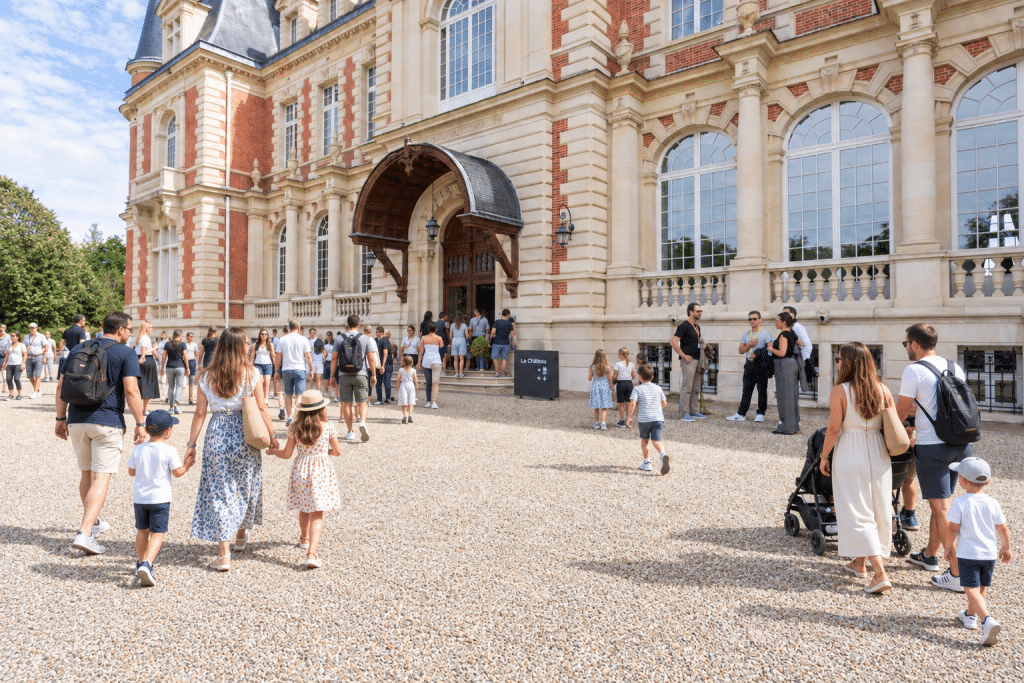
To mark the 2026 European Heritage Days, Les Fontaines once again opened the doors of its “ Domain ” to the general public.
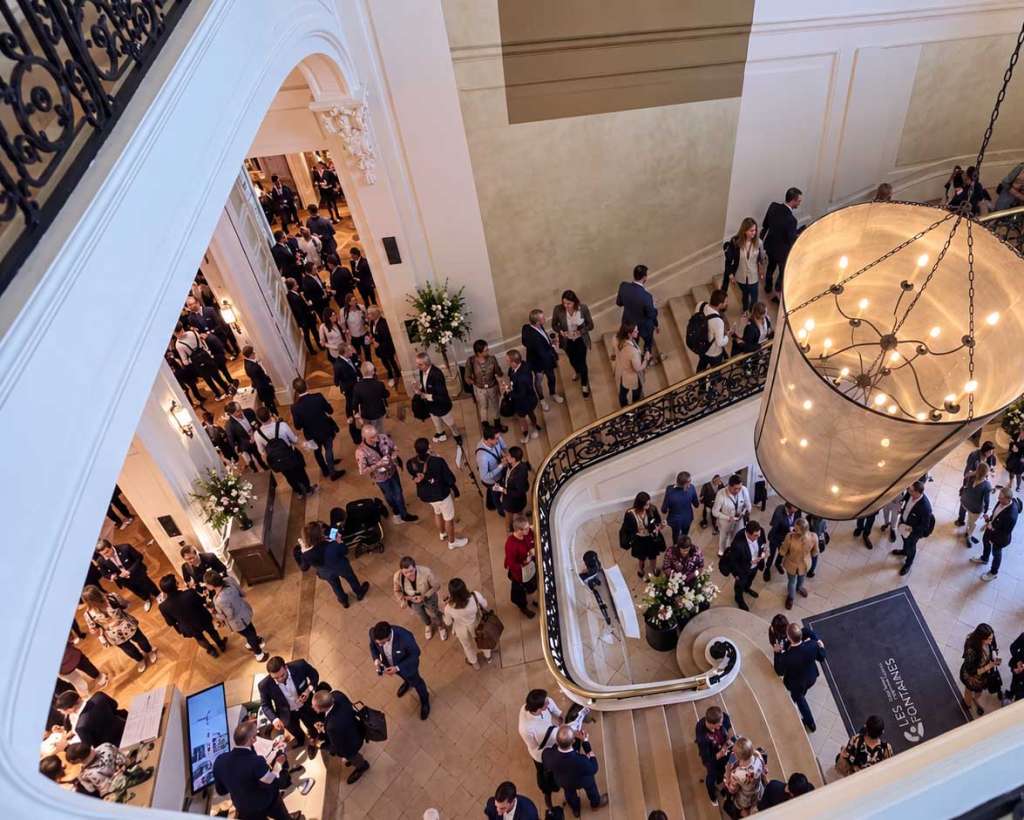
Over the course of a single day, 1,800 visitors came to discover or rediscover this iconic site located in Gouvieux, near Chantilly in the Oise department: its château, its grounds, and its history, which is closely intertwined with that of the region.
Self-guided or guided tours, a photo exhibition, a scavenger hunt in the park, wooden games, face painting, pétanque, and food trucks were the highlights of this event, designed for the whole family.
Opening “ Les Fontaines ” to the public also means sharing the story behind its doors: nearly 150 years of history, several generations, and a single mission that has endured over time—to make this “ Domain ” a place for gathering, learning, and sharing.
Les Fontaines in a nutshell
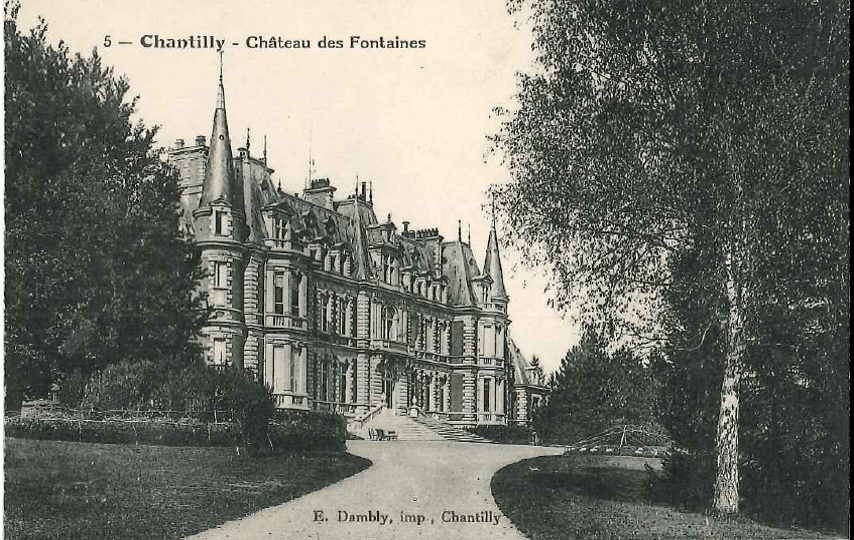
Located in Gouvieux, near Chantilly, the Fontaines Domain s now covers 52 hectares. Acquired by the Rothschild family in 1878, it later became a center for training and knowledge transfer before being purchased by Capgemini in 1998. The campus opened its doors in 2003 and now hosts French and international companies throughout the year.
The Château des Fontaines: A Story That Begins in Gouvieux
The history of the " Domain " took a major turn in 1878, when Baron James Édouard de Rothschild acquired " Les Fontaines."
He gradually expanded the property until it reached its current size of 52 hectares and began construction on a château intended to serve as a second home. The estate was designed not only to entertain guests but also to house his passion for knowledge and antique books.
The baron died before the work was completed. His wife, Baroness Laura Thérèse de Rothschild, then continued the construction and firmly established the family in local life. In particular, she helped establish schools, libraries, and healthcare facilities.
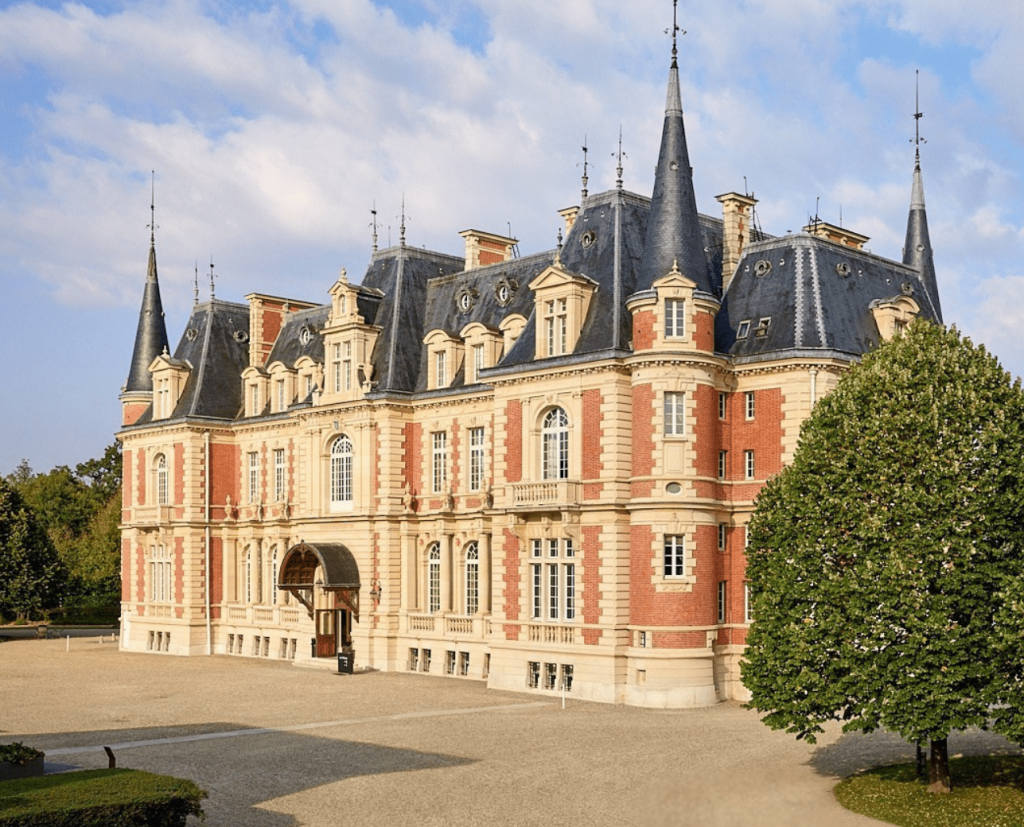
The castle still bears witness to that era today. Its 17th-century-inspired façade, its neo-Gothic turrets, and its various European influences give it a unique architectural style.
Part of the Fontaines “ Domain ” has, in fact, been listed as a Historic Monument since 1999(woodwork and staircases).
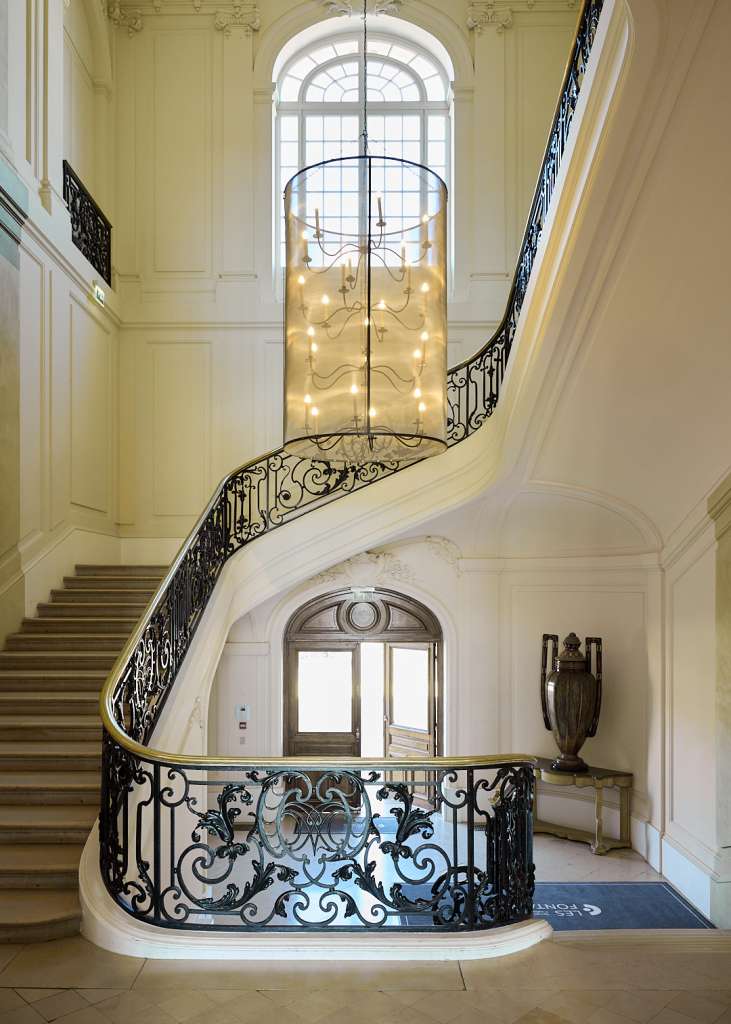

La Ferme Normande, a legacy of the Rothschild family
Just a short walk from the castle, the Normandy Farm also tells part of the family history of the “ Domain.”
Built in 1892 at the initiative of Laura Thérèse de Rothschild, it was originally intended for her son Henri, whom she was encouraging at the time to pursue studies in agronomy.
With its half-timbered walls and architecture inspired by the villas of Deauville, the Ferme Normande reflects the late 19th-century taste for the Anglo-Norman style, which was particularly popular among Parisian high society at the time.
Even today, it remains an integral part of Les Fontaines’ architectural and heritage identity.

From the Rothschilds to the Jesuits: a " Domain " focused on knowledge and its transmission
A new chapter in the history of Les Fontaines began in 1946, when the Rothschild family sold the “ Domain ” to the Jesuits.
Les Fontaines It then became a place of learning, and later a cultural and spiritual center. The Domain is home to one of the largest libraries in France, housing more than 500,000 items.
Starting in the 1970s, the site also became more accessible to the general public. Residents of Gouvieux and Chantilly began coming there to take walks and enjoy the park.
This period offers insight into what still makes Les Fontaines unique today: long before it became a campus, the “ Domain ” was a place where people came to learn, exchange ideas, and meet one another.
Why Capgemini Acquired the " Domain " in Les Fontaines in 1998
In the late 1990s, as Capgemini was undergoing rapid international expansion, the Group was looking for a new location for its campus.
Among the challenges: finding a location that is more easily accessible from Paris-Charles de Gaulle Airport, in order to accommodate employees coming from different countries.
In 1998, Capgemini acquired the " Domain s des Fontaines" from the Jesuits.
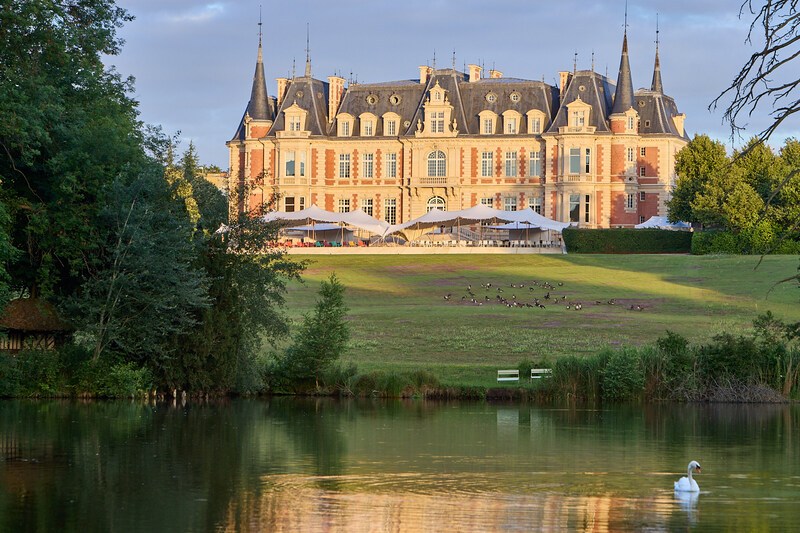
The project is not just about creating a new campus. It is also driven by a commitment to preserve the heritage of the “ Domain ”: the Château, the Norman Farm, the Tourelles, as well as its park and biodiversity.
After several years of planning and construction, the campus opened its doors in 2003.
A new mission that ultimately builds on all those that came before it: to make Les Fontaines a place where people meet, share, and build together.
A Living Heritage in Gouvieux, Near Chantilly
Today, Les Fontaines welcomes French and international companies year-round.
But beyond its event-related activities, the Campus remains deeply connected to its local area— Gouvieux, Chantilly, and, more broadly, the Oise department.
The opening of the “ Domain ” during European Heritage Days is fully in line with this initiative: to allow residents, families, and visitors to discover a place that is part of local history.
The 2026 edition demonstrated once again that cultural heritage is not limited to what we preserve.
It also lives on through those who discover it, pass it on, and make it their own.
And nearly 150 years after construction of the château began, the history of Les Fontaines continues to unfold in Gouvieux.