

Art of living and sharing knowledge: the Rothschild legacy
The 19th century was nearing its end when Baron James Edouard de Rothschild fell in love with the site of Les Fontaines, a vast romantic garden north of Paris. He initiated work on the château.
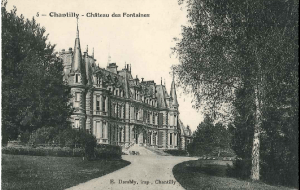
The Rothschild family, who had a passion for building, created what is today known as the "Rothschild taste", residences with a skilful blend of Renaissance and Victorian styles. The Château du Campus, for example, features a neo-Louis XIII façade, neo-Gothic turrets reminiscent of the buildings on the Place des Vosges in Paris, and a Victorian influence with bow-windows. A small regional touch, echoing the infatuation of Parisian high society with the seaside resorts of Normandy at the end of the 19th century, the Ferme Normande - a charming half-timbered residence inspired by the villas of Deauville - adds a bucolic touch to the heart of the park and delights visitors who come here to work or have lunch during their professional events.
Builders... but also patrons
The Baroness de Rothschild, who completed the construction of the chateau after her husband’s death, devoted her life to charitable works by establishing a hospital, schools, and social services in Gouvieux, and later bequeathed the “ Domain des Fontaines” to her son Henri.
He inherited his parents’ two passions: medicine and rare books. He co-founded the League Against Cancer and, at the same time, opened a library in Gouvieux, while cherishing the collection his father had patiently built up.
150 years after the château was built, the Campus des Fontaines continues the Rothschild family’s legacy. By focusing on the sharing of knowledge and learning, and through its commitment to civic engagement—particularly in support of the environment—it keeps alive the spirit and original purpose of the site, for which it seemed predestined.