Training seminars represent a major strategic investment for any organization. To ensure their success, it is essential to design a stimulating environment that encourages participants to actively engage in their own development and progress.
Why organize a corporate training seminar?
Developing skills and passing on knowledge
The objective of a training seminar is to enhance the skills of current employees or to effectively train new recruits in a stimulating setting that is different from the usual office environment.
Continuing education is a must for any company concerned about its long-term viability. Not only does it help preserve the company culture, but above all, it allows companies to focus on upgrading skills internally rather than resorting to external recruitment, which can be costly and time-consuming.
By investing in the upskilling of its talent, engagement and recognition are promoted, which directly contributes to a reduction in turnover.
Strengthen team cohesion and commitment
Training seminars are a powerful tool for motivating and engaging teams. They are an excellent way to strengthen employees' commitment to company values, which directly translates into improved overall productivity.
This type of event goes beyond simple training. It is an opportunity to forge strong bonds between participants by encouraging interactions outside the usual context. It serves to stimulate collaboration between different departments and deepen mutual understanding of each other's roles and challenges.

The keys to a successful training seminar
Set clear and measurable goals
The objective of the training seminar must be concrete: to acquire new knowledge, a technique, or mastery of a tool. This goal must be clearly stated and serve as a guiding principle. Each activity must be aligned with this specific objective. To ensure the success of the training seminar, it is essential to break it down into several measurable objectives.
Choose an environment conducive to learning
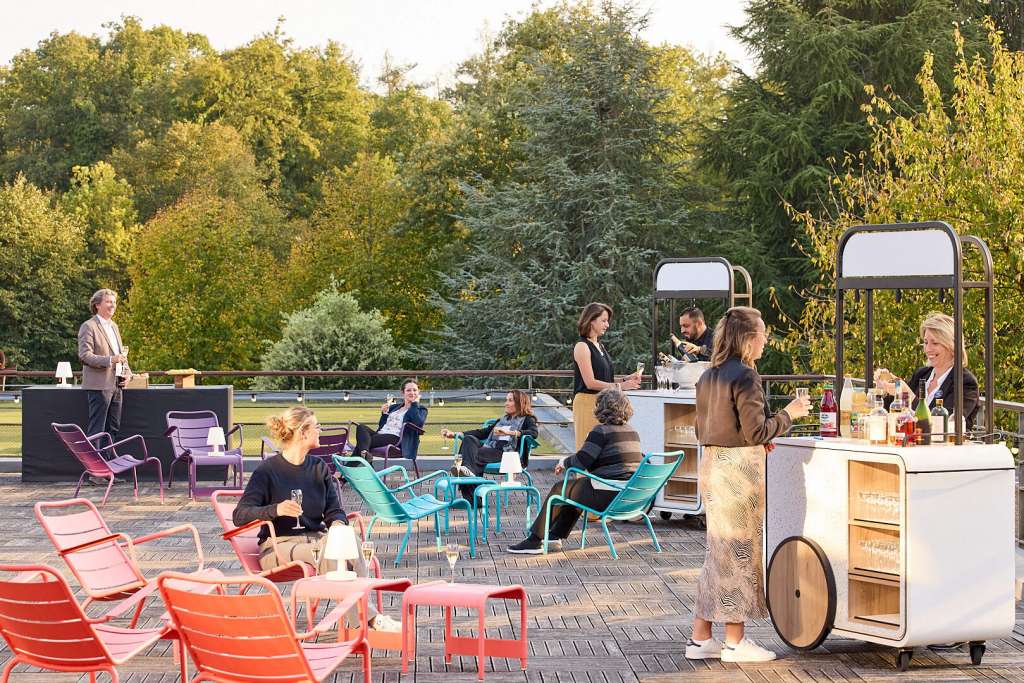
Training seminars provide a change of scenery, capture participants' attention more effectively, and ensure greater concentration. It is therefore essential to hold training sessions outside the company premises. Getting away from the usual environment allows employees to think more clearly and creates a memorable team experience.
A spacious and pleasant environment makes people feel more comfortable and encourages interaction, relaxation, and group dynamics.


Which formats are best for a training seminar?
Collaborative workshops and role-playing exercises
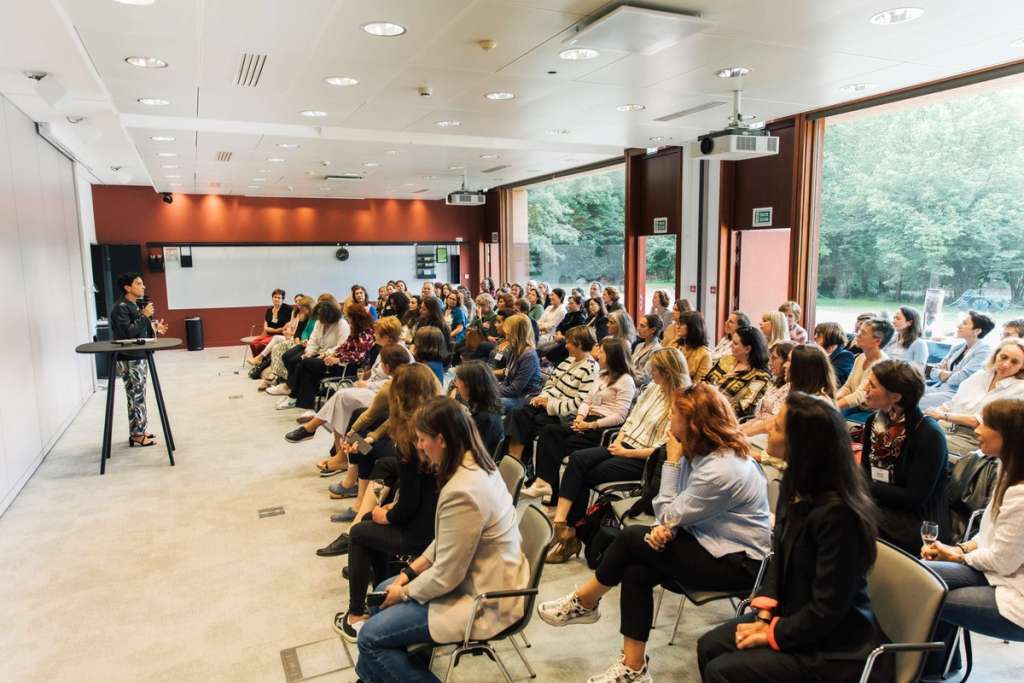
To organize a dynamic training seminar and ensure lasting skills acquisition, it is essential to prioritize formats that encourage discussion and action:
- Small group workshops: to encourage discussion, allow each employee to express themselves, and explore topics in greater depth through personalized support;
- Role-playing and simulations: for immediate and practical application of theoretical concepts in a stimulating environment;
- Brainstorming and team problem solving: to harness collective intelligence and find innovative solutions to concrete challenges;
- Use of collaborative tools (interactive whiteboards, real-time polls): to capture attention, facilitate discussion, and enable more engaging and measurable sessions.
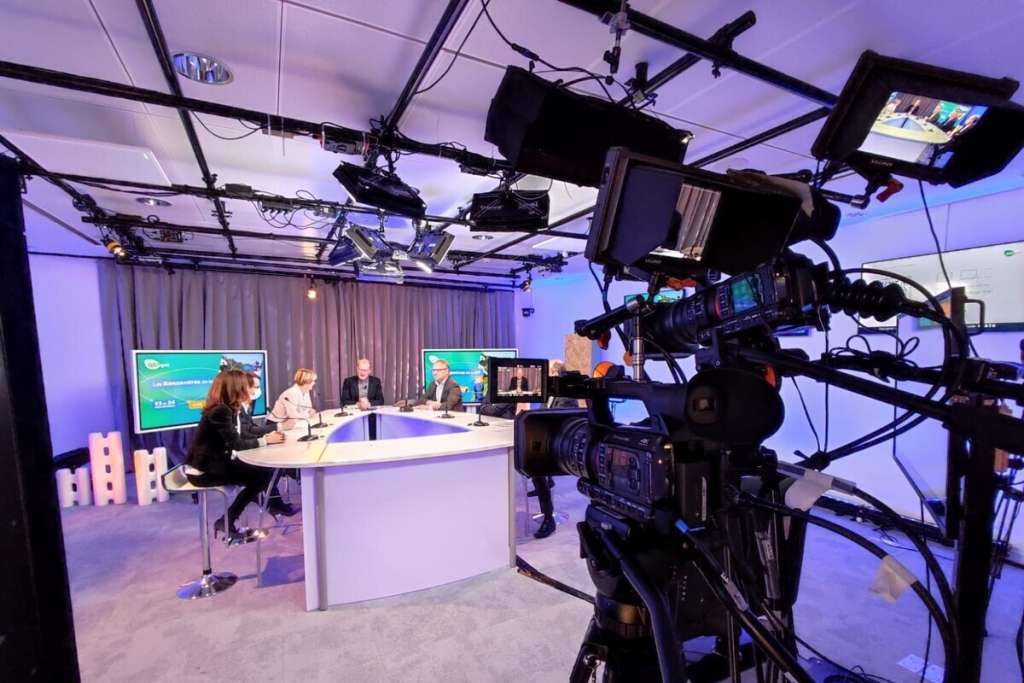
Hybrid training courses combining face-to-face and digital learning
Whenthe workforce is very large or the geographical dispersion of teams represents a major constraint, a hybrid organizational structure is the preferred solution.
Some of the employees are then welcomed on site. They benefit from an attractive location anddirect outdoor interactions, while the others follow the training remotely, using interactive digital tools.


Measuring the effectiveness of a training seminar
Assess participant satisfaction and learning outcomes
Evaluating the effectiveness of a training seminar begins with checking whether the educational objectives set have been achieved. To do this, it is recommended that measurement tools be established at two distinct levels:
- Immediate satisfaction: Immediately after the training session, a questionnaire is distributed to assess participants' immediate impressions. This form is used to evaluate the quality of the facilitation, the relevance of the content, the effectiveness of the formats used (workshops, role-playing, etc.), and the convenience of the logistics.
- Assessment of learning outcomes: Assessment tests (quizzes, practical case studies) are conducted at the end of the session to measure the acquisition of new knowledge and skills. Ideally, a second test is conducted a few weeks after the training seminar to ensure that the learning outcomes are sustainable and transferable.
This data is essential for justifying the investment and quickly identifying areas for improvement.
Capitalize on feedback
The effectiveness of a seminar can also be measured by its ability to transform working practices. It is therefore essential to capitalize on feedback in a structured manner:
- Follow-up interviews: A few weeks or months after the event, individual or group interviews are organized. These discussions provide concrete feedback on how participants are applying their new skills in their work.
- Key performance indicators (KPIs): For topics where this is possible (sales, productivity, project management), the impact of the seminar must be correlated with changes in KPIs.
By implementing this feedback loop, the company not only ensures the success of past events, but also optimizes future training offerings for maximum impact.
Les Fontaines the ideal venue for your training seminars
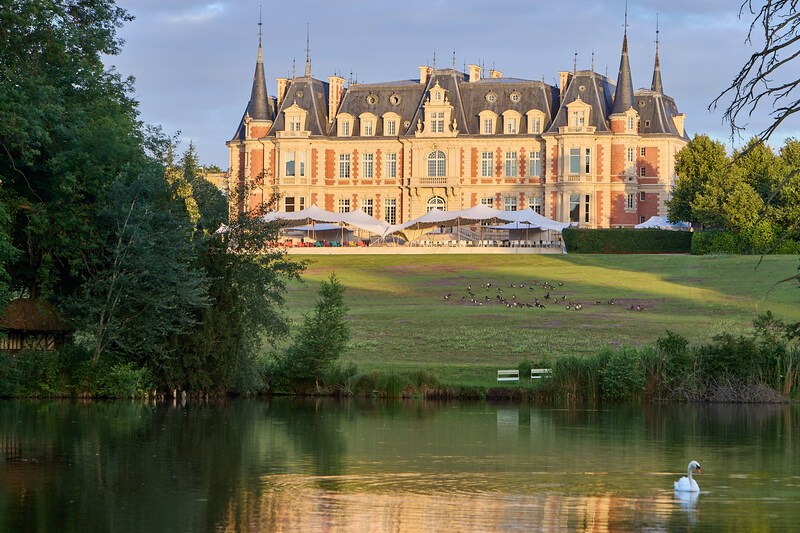
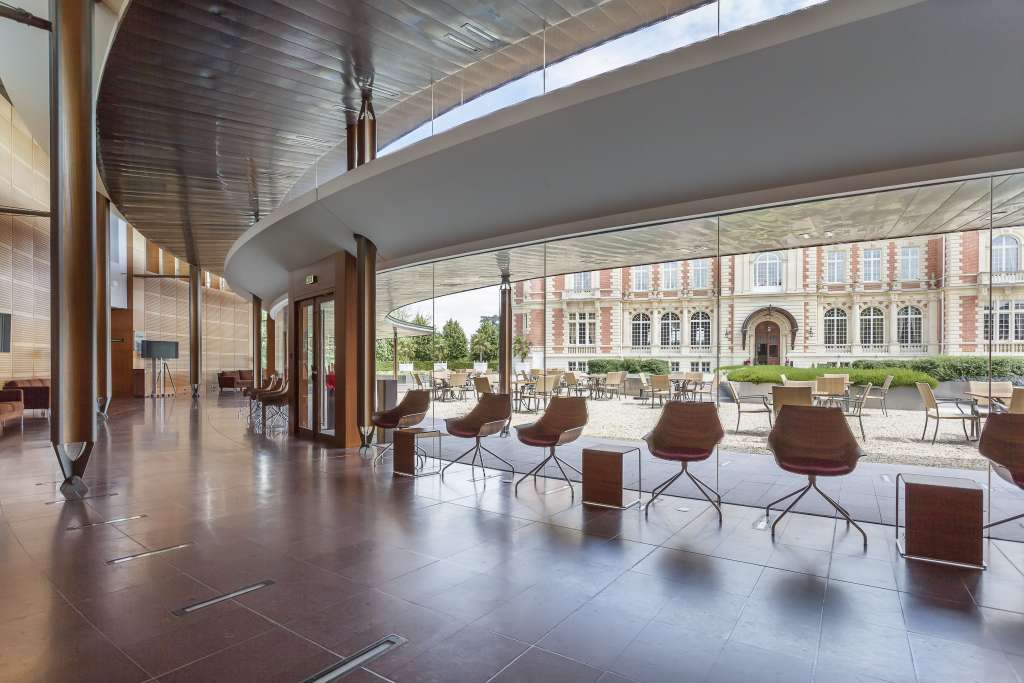
For a successful training seminar, choose Campus Les Fontaines Chantilly: an inspiring natural setting with state-of-the-art facilities: 60 bright meeting rooms, a 450-seat auditorium, and spaces dedicated to innovation are available for your seminars and training sessions.
Discover our offers and enjoy an ideal environment for learning and team building for your employees.